
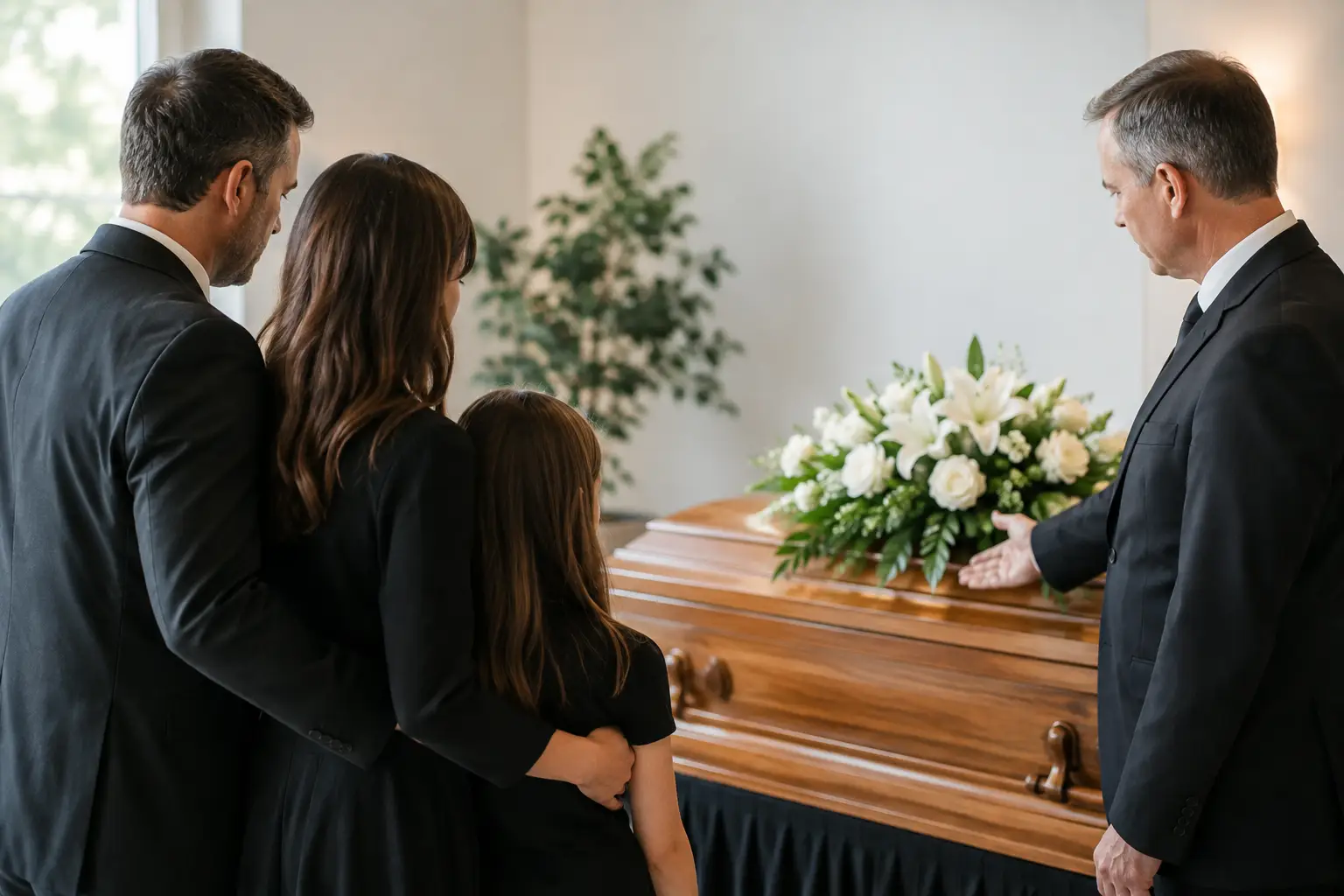
When a death happens, families are often asked to make decisions before they have had time to absorb what has occurred. One practical question can bring immediate relief: can funeral homes hold remains? In many situations, yes. A funeral home can care for a loved one while the family decides on burial, cremation, a service, transportation, or the next steps required by law.
The length of time and the arrangements involved depend on several factors, including local regulations, the condition of the remains, the family's plans, required authorizations, and the funeral home's facilities. A caring funeral director should explain these details plainly, without making a family feel rushed into choices that do not feel right.
Can Funeral Homes Hold Remains While a Family Decides?
Funeral homes routinely provide temporary care for the deceased. After a loved one is brought into the funeral home's care, they are placed in an appropriate, secure setting while arrangements are made. This may include refrigerated storage or other preparation and care based on the selected services, religious customs, and the timing of a viewing, funeral, cremation, or transfer.
For many families, a short period of care allows essential decisions to happen in a more orderly way. Relatives may be traveling to New York from another state or country. A family may need time to meet with clergy, confirm cemetery availability, gather required documents, or decide whether cremation or burial best reflects their loved one's wishes.
There is no single answer for how long a funeral home can hold remains. Some arrangements are completed within a few days. Others take longer because of transportation needs, legal paperwork, a delayed service date, or coordination with family members who live far away. The funeral home should discuss the anticipated timeline and any associated charges before arrangements are finalized.
What Determines How Long Remains Can Be Held?
The most significant consideration is safe, dignified care. New York funeral homes must follow applicable health and safety requirements, which may affect whether refrigeration, embalming, or another form of preparation is needed. Embalming is not automatically required in every case, particularly when cremation or a prompt burial is planned, but it may be recommended or necessary for certain circumstances, such as a public viewing, a longer delay, or transportation.
The family's chosen plan also affects timing. A direct cremation may move forward after the proper authorizations and permits have been obtained. A traditional funeral with a viewing may require preparation, scheduling, and coordination with a place of worship and cemetery. If a loved one is being transported across state lines or internationally, the timeline can be longer because carriers, consulates, receiving funeral homes, and government offices may have separate requirements.
In some cases, the delay is not a family's choice. A medical examiner, coroner, or other public authority may need to complete an examination or release the deceased before funeral arrangements can proceed. The funeral home can help explain what is known, communicate with the appropriate offices when permitted, and prepare for the next step once a release is granted.
Temporary Care Is Not the Same as Permanent Storage
Families sometimes use the word “storage” because they are trying to understand the practical side of care. Funeral professionals generally speak instead about caring for the deceased or holding remains until services or disposition can take place. This language recognizes that the person who died remains someone deeply loved, not a task to be processed.
A funeral home is usually designed for temporary care connected to final arrangements. It is not typically a long-term holding facility with an open-ended timeline. If a family needs additional time, the funeral director can explain whether continued care is available, what conditions apply, and whether fees may increase after a certain date.
Asking about costs is appropriate. During grief, many people worry that they will appear insensitive by asking direct questions. Clear information is part of respectful care. Families have every right to ask how long care is included, whether refrigeration or preparation charges apply, and what could change if a service is postponed.
Who Can Authorize Release or Final Arrangements?
Funeral homes need direction from the person legally authorized to make funeral decisions. This is often a spouse, adult child, parent, or another next of kin, although a person may also have named an agent in advance planning documents. When family members disagree, the funeral home must follow applicable law and may be unable to proceed until the proper authority is clear.
For cremation, written authorization is generally required before the cremation can take place. If remains are to be released after cremation, the funeral home will need to verify the identity and authority of the person receiving them. These steps can feel formal at a painful moment, but they protect the deceased and the family.
If there is uncertainty about who has the right to decide, tell the funeral director early. Documents such as a preplanning contract, a written designation of agent, a will, or court paperwork may help clarify the situation. A funeral home cannot provide legal advice, but it can explain what documentation may be needed and when a family may need guidance from an attorney or public agency.
Questions That Can Bring Clarity
You do not need to know funeral terminology to ask for the information your family needs. A conversation with the funeral director can begin simply: “What happens now, and how much time do we have?”
It can also help to ask whether the funeral home has received the necessary release, whether any permits or authorizations are still pending, and whether a viewing or service date creates additional preparation needs. If transportation is involved, ask who is coordinating the transfer, what documents are required, and what factors could affect the departure or arrival date.
Before signing any agreement, ask for an itemized explanation of services and charges. You may also wish to ask what is included in the selected arrangement, what happens if plans change, and whom to call after hours with a question. A dependable care team will make space for those questions and answer them without pressure.
When a Family Needs More Time
Needing more time does not mean a family is doing anything wrong. It may mean siblings need to arrive from overseas, a religious observance requires careful scheduling, a cemetery has limited availability, or a loved one wanted a memorial at a later date. In Brooklyn and throughout the New York area, families also frequently need coordination across languages, faith traditions, boroughs, and national borders.
The most helpful approach is to share your situation honestly with the funeral home. Explain whether you are waiting for relatives, planning a religious service, considering cremation, or arranging transportation. The director can then tell you what is possible, which deadlines matter, and whether there are choices that may reduce costs or avoid unnecessary delay.
If a funeral home cannot accommodate a requested timeline, it should explain why and discuss available alternatives. The right answer may involve a smaller immediate service followed by a memorial later, a direct cremation before a celebration of life, or coordination with another funeral home at the final destination. There is no single correct arrangement. The goal is to make informed decisions that honor the person who died and support the people left behind.
A Gentle Next Step
After a death, families should not have to guess whether their loved one is being cared for or feel compelled to decide everything at once. Ask for a clear timeline, a plain explanation of required paperwork, and written costs for the care and services being considered.
At Horizon Funeral Home, families can speak with a care team at any hour about immediate care, service timing, cremation, burial, or transportation needs. Even one calm conversation can replace uncertainty with a plan and give your family room to focus on one another.