
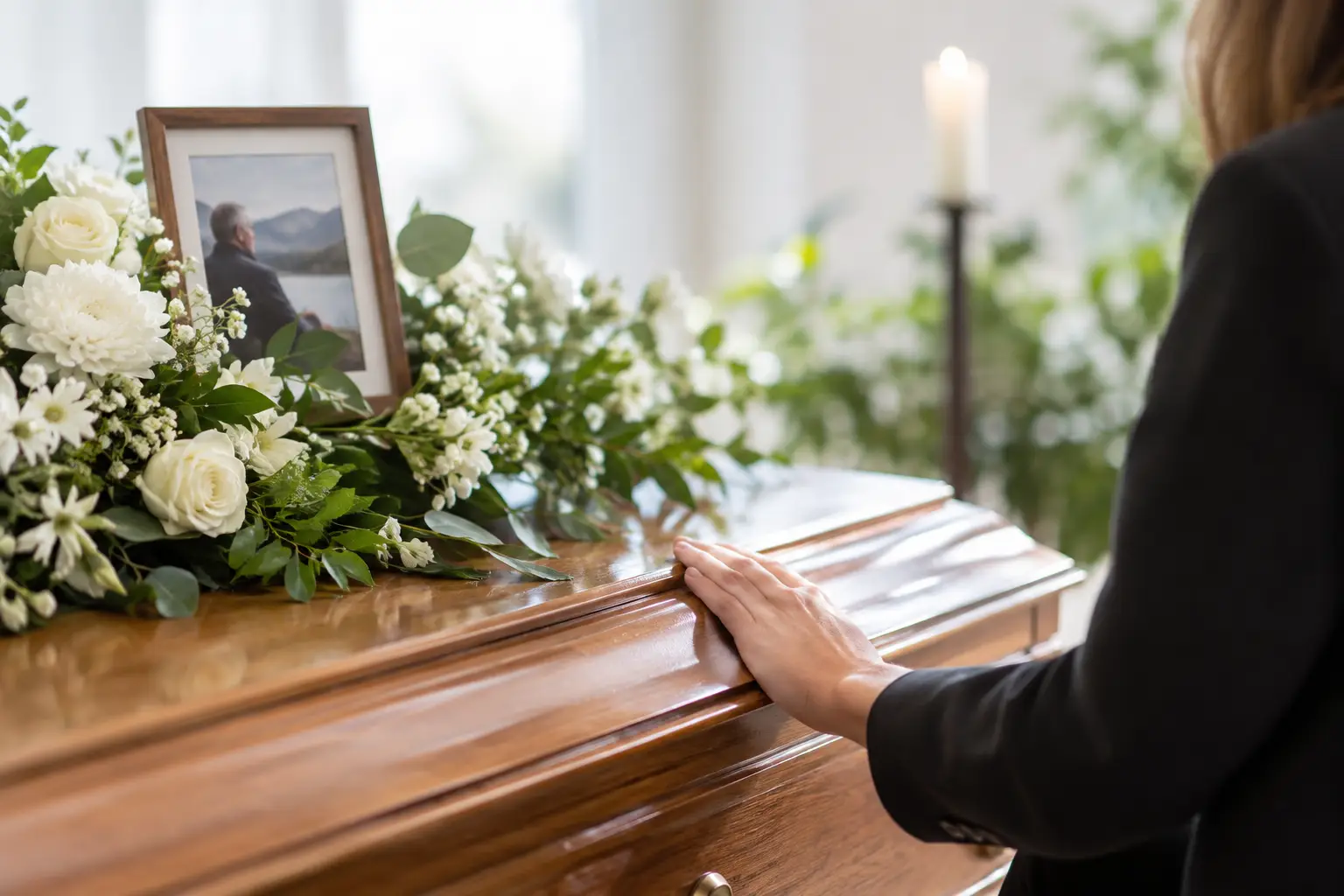
A favorite song played as people take their seats, a photograph that always made the family laugh, a prayer spoken in a familiar language - these details can make a service feel like it belongs to one person and one family alone. The best ways to personalize funerals are not about adding more decisions or creating a perfect event. They are about choosing a few honest touches that reflect how your loved one lived, what they valued, and who they were to the people gathered.
Personalization can be quiet and traditional, joyful and informal, deeply religious, or a blend of several family customs. There is no single right way to honor someone. The most meaningful choices are usually the ones that feel natural to the people who knew them best.
Start With the Person, Not the Checklist
When a death has just occurred, families are often asked to make many arrangements in a short period. It can help to pause before considering flowers, music, or printed materials and ask a simpler question: what would people immediately recognize as being true of this person?
Think about their roles and relationships. They may have been a devoted grandmother, a veteran, a teacher, a musician, a neighbor who always brought food when someone needed help, or a person whose faith guided every part of life. Their story may also include immigration, a homeland, a language, a trade, a beloved team, or a tradition passed down over generations.
Choose two or three threads rather than trying to represent every chapter of a life. A service can feel more personal when it has a clear center. For example, a family may build a memorial around a loved one's devotion to family and church, then reflect that through readings, music, photographs, and a reception dish they often made.
Best Ways to Personalize Funerals Meaningfully
Let music set the right tone
Music often reaches people when words are difficult. A hymn, a traditional religious selection, a favorite recording, or an instrumental piece can create a moment of recognition and comfort. Some families choose music for the arrival of guests, a reflective moment during the service, and the departure.
Consider the setting before making selections. A lively song may be exactly right for a celebration of life, while a more formal religious service may have specific musical customs. If several relatives have different preferences, choose one meaningful piece from each side of the family or save additional songs for a gathering after the service.
Share stories in voices that matter
An obituary tells the essential facts of a life. A eulogy or spoken remembrance can reveal the person behind those facts: their humor, habits, generosity, resilience, and the small things their family will miss.
Not everyone feels comfortable speaking publicly, and that is completely all right. A daughter, friend, clergy member, or celebrant may read a written memory on someone else's behalf. Several short memories can also be gentler than asking one person to carry the entire tribute. If emotions make speaking impossible on the day, a letter can be placed with the loved one or shared privately later.
Use photographs with purpose
A photo display, memory board, or video tribute can help guests see the many seasons of a person's life. Include formal portraits, everyday moments, family holidays, work photographs, travel, and images that show their personality. A single photograph can sometimes say more than a large display, so the goal is not volume.
For families with relatives abroad or unable to travel, photos can be especially meaningful. They offer a shared visual language across distance and generations. When selecting images, consider whether the person would have enjoyed seeing them shared and whether the display reflects them with dignity.
Honor faith, culture, and language
For many families, the most personal funeral choices are also the most traditional. Religious rites, sacred readings, prayers, clothing customs, visitation practices, burial traditions, and food may be central expressions of love and respect. These choices do not need to be explained or simplified for others to be meaningful.
In a diverse family, there may be more than one tradition to honor. A service can include a religious rite alongside personal remembrances, or a family can observe certain customs privately before welcoming a wider community to a memorial gathering. Providing readings, announcements, or support in a family's preferred language can help everyone participate more fully.
It is also appropriate to ask questions when customs are unfamiliar. A caring funeral professional should listen carefully, explain what can be arranged, and never make a family feel rushed to choose between meaningful parts of their identity.
Include the work, service, or passions they loved
Personal details do not have to be elaborate to be powerful. A gardener's service might include seasonal flowers or seed packets for guests. A lifelong reader may be honored with a favorite passage. A devoted cook may be remembered through a recipe card at a family meal. A veteran may receive appropriate military honors, while a community volunteer may be recognized through stories of the people they helped.
These ideas work best when they feel like a tribute rather than a display. A small item placed near photographs, a favorite color in the floral arrangement, or a familiar object beside an urn can be enough. The purpose is to invite remembrance, not to recreate every interest the person ever had.
Make Room for Family Participation
A funeral becomes more personal when family and friends have a role that suits them. One person may welcome guests, another may read a poem, and someone else may help choose photographs or create a playlist. Children and grandchildren can contribute drawings, written notes, or a flower placed during the service if that feels right for the family.
Participation should always be an invitation, not an obligation. Grief affects people differently. Some relatives need a task to focus on; others need permission to sit quietly and be cared for. Clear, simple roles can reduce confusion, especially when several family members are trying to help at once.
If there are disagreements, return to the loved one's wishes and the purpose of the gathering. Not every choice needs unanimous approval. Listening to one another, setting a budget early, and identifying one person to make final logistical decisions can protect family relationships during a difficult week.
Personalization Does Not Need to Be Expensive
Meaning is not measured by the size of the service or the cost of its details. A simple direct cremation followed by a memorial at a later date can be deeply personal. So can a traditional funeral with carefully chosen readings and a family meal afterward. Some families need to plan around a limited budget, travel constraints, or relatives living in other states or countries.
Be open about those realities from the beginning. Ask what matters most, then place resources there. If printed programs are not a priority, perhaps a meaningful piece of music is. If a large floral arrangement is not in the budget, a framed photo and handwritten messages from guests may carry more emotional weight.
Preplanning can also give people the opportunity to document their wishes without placing every decision on their family later. A person may name favorite music, identify religious preferences, describe veterans' honors they would want, or write a few words they hope will be shared. Plans can be updated as life changes.
Give Guests a Way to Continue Remembering
The service ends, but the relationship and the grief do not end there. A memory book allows guests to leave stories the family may not have heard. A collection of cards can become a source of comfort months later. Some families invite charitable gifts, plant a tree, prepare a favorite meal on an anniversary, or gather each year to share memories.
There is no need to decide all of this before the funeral. In the first days after a loss, it is enough to create a service that offers a place to say goodbye. Other forms of remembrance can unfold slowly, as the family has the energy and desire for them.
A personal funeral is not a performance for guests. It is a truthful act of care for the person who died and for those left to carry their memory. Begin with what feels most like them, accept help with the details, and allow the day to be human: tender, imperfect, and full of love.