
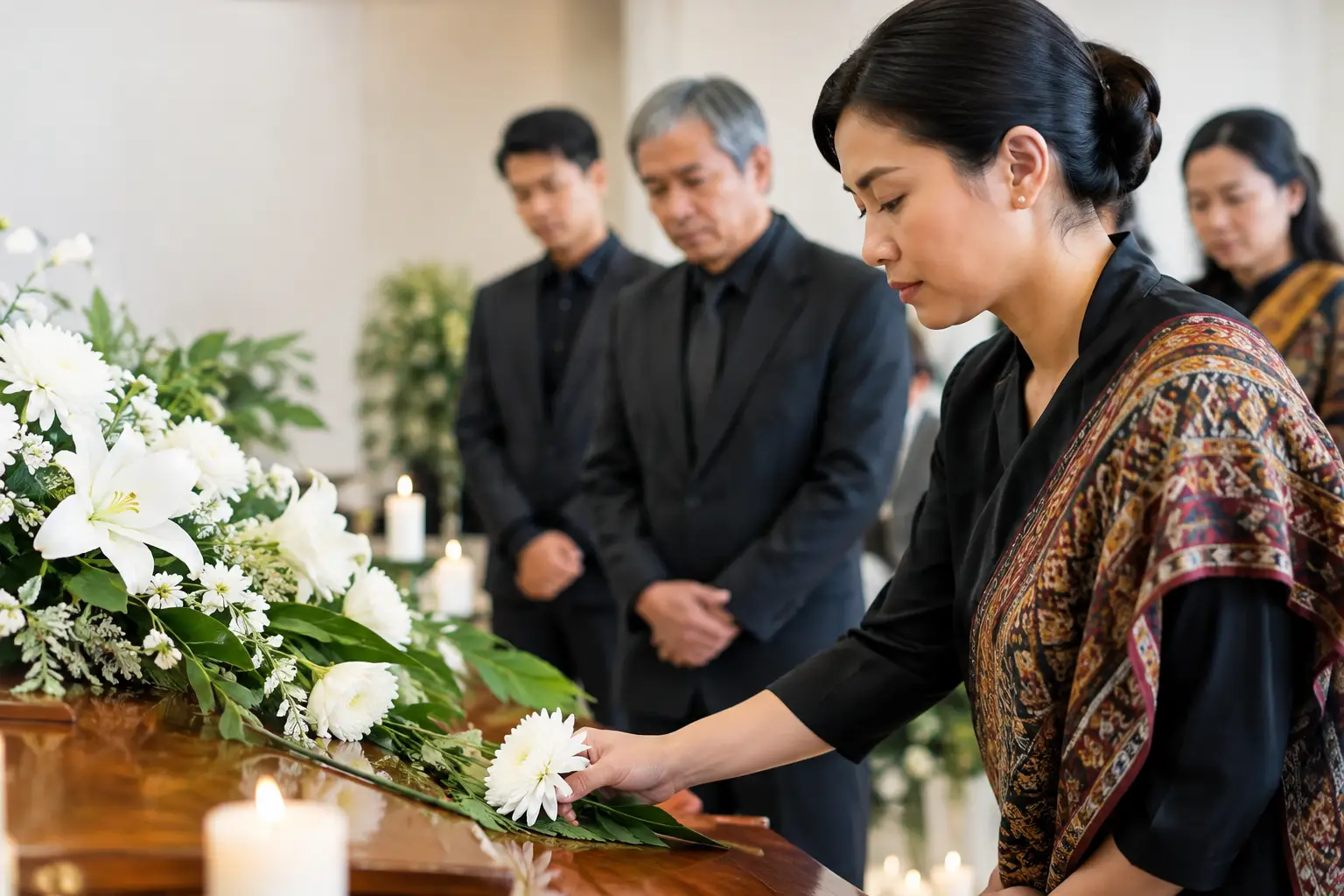
A family may come to a funeral arrangement meeting carrying more than grief. They may be carrying a prayer book, a remembered instruction from a grandparent, a concern about timing, or the quiet hope that their loved one will be treated in a way that feels familiar and right. Learning how to honor cultural traditions begins there: by making room to listen before making decisions.
A meaningful funeral does not have to follow a single script. It can reflect a family's faith, heritage, language, migration story, and the personal preferences of the person who died. Some customs are essential religious obligations. Others are family practices that create comfort, such as particular music, food, clothing, flowers, readings, or the way guests are welcomed. Both deserve care.
Begin With the Loved One's Wishes
If your loved one discussed funeral preferences, wrote down plans, or named a religious leader to contact, let those wishes guide the conversation. Even a brief note can help answer important questions: Was burial or cremation preferred? Was there a faith community they wanted involved? Did they hope for a traditional service, a small private gathering, or a celebration of life?
When no instructions exist, families often need to make choices together. Start with what your loved one valued in life. Consider the customs they practiced, the community they felt connected to, and what would have brought them peace. A person may have been deeply observant, loosely connected to a tradition, or shaped by more than one culture. There is no need to force their life into a ceremony that does not feel true.
It can help to name one or two family members as points of contact for different parts of the plan. One person may speak with clergy or a spiritual leader, while another gathers family input or confirms travel details. Clear roles can reduce confusion when many people are grieving at once.
Ask the Questions That Matter
Cultural traditions can involve practical needs that are easiest to meet when they are shared early. Families should feel comfortable asking a funeral director direct questions about what is possible, what timing is required, and what arrangements may be needed behind the scenes.
You might discuss whether the family needs a service within a particular time frame, a ritual washing or preparation, a viewing, specific garments, prayers, music, or a gathering after the service. You may also need to consider the orientation of the casket, the participation of a religious leader, military honors, or customs around flowers and donations.
For families whose first language is not English, being able to explain these details in a familiar language can make an enormous difference. A mistranslated phrase or an assumption about a custom can create stress at the worst possible moment. Ask for interpretation or multilingual support if it would help your family communicate clearly.
Not every request will be handled in exactly the same way. Requirements can depend on the faith tradition, cemetery rules, medical examiner procedures, airline regulations, or whether transportation across state or international borders is involved. A caring provider should explain those limits plainly, offer alternatives where possible, and never make a family feel that a meaningful tradition is an inconvenience.
Respect Tradition Without Making Assumptions
A cultural label does not tell the whole story. Two families from the same country, religion, or ethnic background may observe a death very differently. One may want every customary rite, while another may prefer a simpler service that includes only a few meaningful elements.
For that reason, it is better to ask, “What would feel important for your family?” than to assume what a family wants based on a surname, language, or place of birth. This approach also protects families from feeling pressured by expectations that do not fit their beliefs or budget.
There may be differences of opinion within the family. Adult children may want a modern memorial while older relatives feel strongly about established religious customs. A spouse may know the deceased wanted cremation, while another relative believes burial is the more traditional choice. These are tender conversations, and they do not always have a perfect answer.
When views differ, return to the loved one's known wishes and identify the values underneath each request. Often, there is room for both. A family might hold a traditional prayer service before cremation, include cultural music at a memorial, or arrange a separate gathering for relatives who could not attend the funeral. Honoring tradition does not always mean choosing one path and excluding all others.
How to Honor Cultural Traditions Through Meaningful Details
The details that stay with people are often simple and personal. They do not need to be costly to carry meaning. A photograph displayed near a favorite religious symbol, a reading in a family's home language, or a familiar song can help guests recognize the person they came to remember.
Consider the service as a series of moments: how people enter, who speaks, what is seen and heard, how the deceased is remembered, and what happens afterward. In some families, hospitality after the service is central to mourning. In others, quiet prayer, a procession, or time at the graveside holds the greatest importance. Make choices around the moments that matter most rather than trying to include every possible element.
If a loved one had connections to multiple traditions, it is possible to acknowledge each with sincerity. For example, a service may include a reading from one faith, music connected to another heritage, and personal remarks that reflect a life lived across cultures. The goal is not to create a performance of identity. It is to create an honest farewell.
Plan for Timing, Travel, and Family Participation
Tradition sometimes has a timetable. Certain faiths encourage burial quickly, while other families need time for relatives to travel from another state or country. Some customs call for gatherings on specific days after a death. Share these needs as soon as possible so the practical arrangements can support them.
Travel can add another layer of concern. When a loved one must be transported to another state or abroad, families may need coordination with embassies, consulates, airlines, receiving funeral homes, or cemeteries. Documentation and preparation requirements vary. Early communication helps prevent unnecessary delays while preserving the family's wishes.
Participation also matters. Think about who should be invited to speak, carry the casket, offer prayers, sit in a place of honor, or receive guests. For relatives who cannot travel, a phone call, recorded message, or reading shared on their behalf can give them a place in the farewell. Small acts of inclusion can be deeply comforting.
Give Grief Room to Continue
A funeral is an important moment, but it is not the end of a family's relationship with tradition or remembrance. Many cultures have meaningful practices in the days, weeks, and anniversaries after a death. These may include prayer, visiting the gravesite, preparing a meal, giving to charity, or gathering with family.
If you are planning arrangements in the midst of loss, you do not have to decide every future remembrance immediately. Focus first on the choices that must be made now. Save space for the rituals that can happen later, when there is more time to breathe and remember.
At Horizon Funeral Home, families are met with patience, clear explanations, and respect for the customs that matter to them. The most fitting tribute is not the most elaborate one. It is the one that lets a family say goodbye in a way that feels faithful to the person they love.