
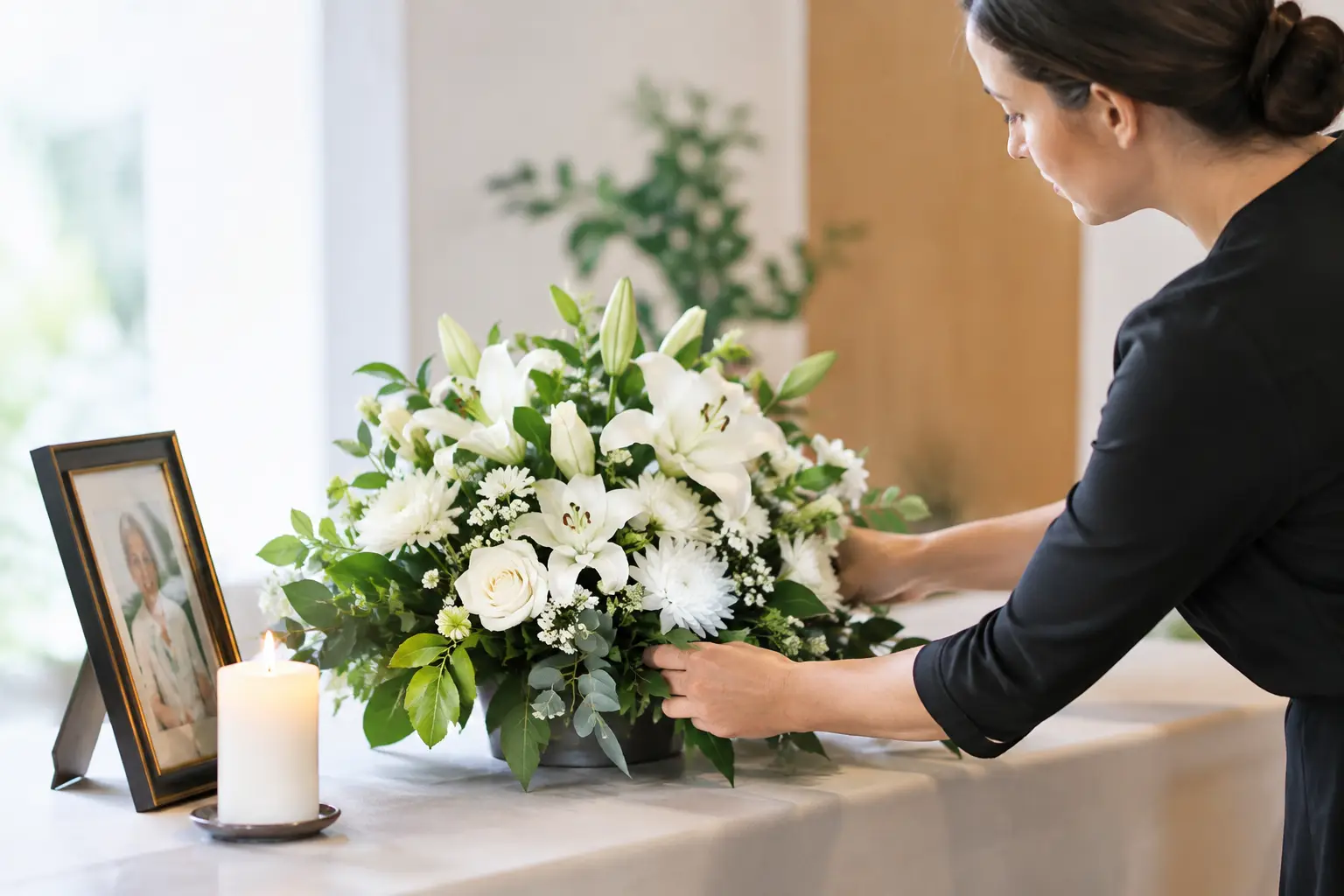
A repast is often the first quiet pause after a funeral, memorial, or graveside service. Learning how to arrange a repast is not about creating a perfect event. It is about giving family and friends a comfortable place to sit together, share a meal, remember the person who died, and care for one another when words may be difficult to find.
For some families, the repast is an essential religious or cultural tradition. For others, it is a simple gathering at a favorite restaurant, a church hall, or a relative's home. There is no single right way to hold one. The best choice is the one that respects your loved one's wishes, fits your family’s customs, and feels manageable during an already demanding time.
Start by Deciding What the Gathering Is Meant to Offer
Before choosing food or a venue, consider the purpose of the repast. A small meal with immediate family may offer privacy and rest after a long day. A larger gathering can make room for coworkers, neighbors, and extended relatives who want to express sympathy but may not attend every part of the service.
Think, too, about the tone your loved one would have appreciated. Some families want a formal seated meal. Others prefer coffee, pastries, and light refreshments where guests can come and go. A repast can include prayer, a blessing, a toast, music, or a time for stories, but none of these is required. A warm room, food, and permission to be together are often enough.
If faith or cultural customs shape the timing, menu, or format, make those decisions early. Some traditions call for a meal immediately following burial, while others observe specific food practices or periods of mourning. A clergy member, community leader, or trusted family elder may be able to guide you. If relatives hold different expectations, try to focus on the shared goal: honoring the person and supporting those who are grieving.
How to Arrange a Repast Without Taking on Too Much
The most practical approach is to make a few decisions in order: who is invited, where the gathering will be held, when it will begin, and how food will be provided. Let the funeral or memorial schedule lead the plan. Guests should know whether the repast begins right after the service, after the cemetery, or at a set time later in the day.
You do not need an exact guest count, but a realistic estimate matters. Start with close family and those expected at the service, then allow room for additional mourners. If invitations are being shared by phone, text, obituary notice, or word of mouth, include the venue name, address, start time, and whether the gathering is open to all who wish to attend. Clear information prevents family members from having to answer the same questions repeatedly on a difficult day.
Assign one or two dependable people to oversee practical details. This may be a sibling, friend, religious community member, or the person coordinating the funeral arrangements. Their role is not to run a flawless event. It is simply to be the point of contact for the venue, caterer, or volunteers so the closest family members can spend time with guests and with one another.
Choose a venue that reduces stress
A home can feel personal and familiar, especially for a small gathering. It also requires someone to prepare, welcome guests, clean up, and manage space during an emotional time. A restaurant, banquet room, house of worship, community center, or funeral home reception area may cost more, but it can remove much of that work.
When comparing locations, ask about accessibility, parking, seating, restrooms, food rules, room rental time, and the final guest count deadline. In Brooklyn and across New York City, travel time and parking can affect whether guests arrive comfortably after a cemetery service. A venue close to the funeral home, place of worship, or cemetery may be more helpful than a larger location farther away.
If you expect children, older adults, or guests using mobility aids, choose a space with easy entry and enough seating. It is also wise to ask whether the room can remain quiet and private. Families often appreciate having space away from unrelated diners or public activity.
Keep food simple, familiar, and inclusive
Repast food does not need to be elaborate. A catered buffet, trays from a local restaurant, sandwiches, soup, salads, traditional dishes, coffee, tea, and desserts can all be appropriate. The right menu depends on the time of day, number of guests, budget, and family traditions.
Ask early about dietary needs. Vegetarian, vegan, kosher, halal, gluten-free, and allergy-aware choices may be especially important when people from several households and traditions are gathering. Rather than trying to accommodate every preference with a large menu, offer a few clearly labeled options. It is often more meaningful to include one or two foods your loved one enjoyed than to provide an extensive spread.
Alcohol is a personal decision. Some families prefer a toast; others do not serve alcohol because of religious practice, venue rules, family history, cost, or the nature of the gathering. There is no obligation either way. Nonalcoholic drinks, coffee, tea, and water are always appropriate.
Create Space for Conversation, Not a Program to Manage
A repast does not require a formal agenda. Grief moves differently through every room. Some guests will want to tell stories. Others may sit quietly, offer a hug, bring food to a family member, or leave after paying respects. Give people room to do what feels natural.
If your family would welcome structure, keep it gentle. One person might offer a brief welcome, invite a prayer, or share a memory before the meal. You could place photographs on a table, provide a memory book for guests to sign, or set out cards where people can write a message for the family. These small touches can preserve meaningful memories without turning the gathering into another formal service.
Be mindful of the person closest to the loss. A surviving spouse, parent, child, or sibling may not have the energy to greet every guest. Ask a trusted friend to help welcome people, direct them to food, and quietly let visitors know when the family needs privacy or rest. It is also reasonable to set an ending time. A clear close gives everyone permission to leave and lets the family begin to decompress.
Plan for Cost With Honesty and Flexibility
The cost of a repast can range from a modest home gathering to a catered meal for many guests. Set a budget before committing to a venue or menu, and do not feel pressure to spend beyond what is comfortable. A meaningful gathering is not measured by the number of dishes or the size of the room.
If friends and relatives offer to help, give them specific tasks. One person may pick up flowers, another may order food, and another may manage a guest list or arrange transportation for an older relative. Accepting help is not a failure to host. It is one way a community shares the weight of loss.
Some families choose to hold the repast several days after the service, especially when relatives are traveling, a large gathering would be difficult to arrange quickly, or emotions are too raw on the day itself. This can be a thoughtful option. Just communicate the plan clearly, and remember that the need to gather does not expire when the funeral is over.
Questions Families Often Ask
Does a repast have to happen immediately after the funeral?
No. Many do take place right after the service because people are already together, but a later gathering may better suit your family, faith tradition, travel needs, or budget. What matters is that guests understand the plan.
Who pays for a repast?
Usually, the immediate family or estate pays, but relatives and friends may contribute food, funds, or practical help. If someone offers, it is acceptable to accept a specific contribution. Keep arrangements clear so no one feels uncertain about expectations.
Is it appropriate to invite everyone from the funeral?
It can be, particularly when the venue has room and the family wants an open gathering. For a smaller repast, you may invite immediate family and close friends only. Neither choice is unkind. A private meal can be necessary when the family needs a quieter setting.
What if we cannot arrange one at all?
A repast is never required. A phone call, a future meal with close relatives, or a simple gathering weeks later can provide the same opportunity for connection. The funeral itself is not the only time people can show up for one another.
When you are arranging a funeral and a repast at the same time, it can feel like every decision needs an immediate answer. Take the next practical step, then let others help with the rest. A gathering made with care, however simple, can give family and friends a place to carry remembrance forward together.