
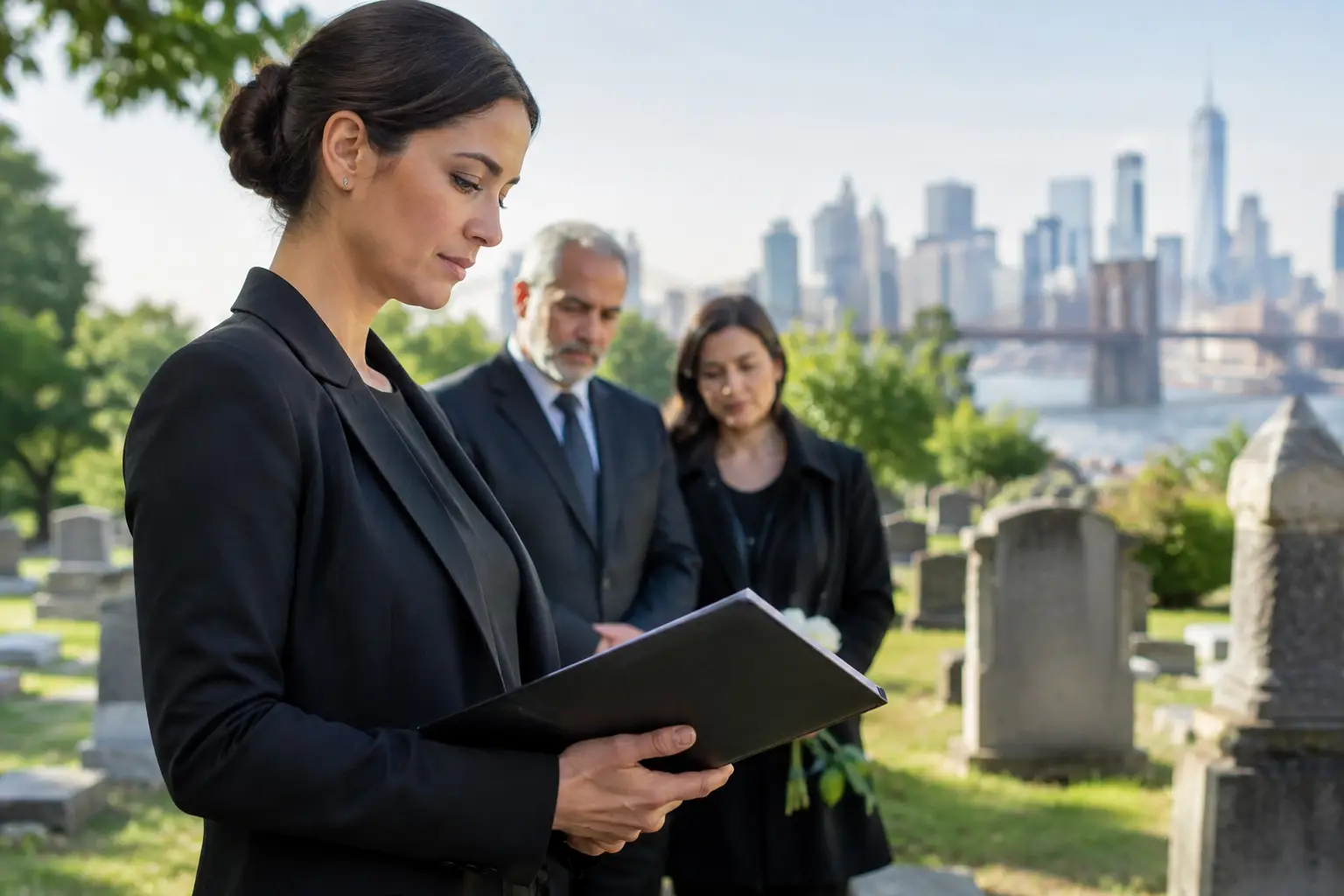
When a family is arranging a burial after a death, paperwork can feel like one more difficult detail at a time when there are already many decisions to make. Brooklyn burial permits are one of the documents that help authorize a loved one’s final disposition. In most cases, the funeral home coordinates this process for the family, so you do not have to figure it out alone.
The permit is not a reflection of your family’s wishes, faith, or financial choices. It is a required administrative step that connects the death certificate, the cemetery, and the planned burial. Knowing what it does and when it is needed can make the days ahead feel a little more orderly.
What Is a Burial Permit?
A burial permit is an official authorization for a deceased person to be buried. In New York City, it is generally issued after the death certificate has been completed and filed through the appropriate city process. The cemetery will typically require the permit before it can proceed with an interment.
This document confirms essential information, including the person’s identity, the fact of death, and the intended disposition. It helps ensure that burial records are accurate and that the cemetery has the authorization it needs to open and close a grave.
Families sometimes hear the terms “burial permit,” “disposition permit,” or “transit permit” used in similar conversations. These documents have related purposes, but they are not always interchangeable. A transit permit may be needed when a loved one is being transported across state lines or internationally. The right paperwork depends on where the death occurred, where the burial will take place, and whether transportation is involved.
Who Arranges Brooklyn Burial Permits?
For a typical burial arrangement, the licensed funeral director handles the permit process as part of coordinating final arrangements. The funeral home works with the medical provider or medical examiner, the city’s vital records process, and the cemetery to make sure the required documentation is in place.
The family’s role is usually to provide accurate personal information for the death certificate and to make key arrangement decisions. This may include the deceased’s full legal name, date and place of birth, Social Security number when available, parents’ names, marital status, veteran information, and current or former occupation. Some details can take time to locate, especially when records are older or family members live in different places.
If a cemetery plot has already been purchased, the family should also locate the deed, certificate of ownership, or any cemetery paperwork available. The cemetery can confirm who has the authority to use the grave and whether there are any site-specific requirements before scheduling the burial.
A caring funeral director will explain what is needed in plain language, collect information at a manageable pace, and handle the behind-the-scenes filings whenever possible.
When the Permit Can Be Issued
The timing of a burial permit is closely tied to the death certificate. Before the certificate can be filed, the medical portion must be completed by the appropriate physician, medical examiner, or other authorized professional. Once that information is available, the funeral director can move forward with the filing and permit request.
For many families, this process moves quickly. But timing can vary, particularly if the death was referred to the Medical Examiner, if the cause of death requires further review, or if a physician is not immediately available to certify the record. Weekends, holidays, and an upcoming religious service can also affect scheduling.
This is why it helps to avoid making a final cemetery time before the funeral home confirms that the necessary documents can be secured. Families may have a preferred date based on religious practice, travel plans, or the availability of relatives. Those wishes matter. At the same time, the permit process has legal steps that cannot be skipped.
When a burial must take place promptly for religious reasons, tell the funeral director as early as possible. They can prioritize the coordination, communicate with the cemetery, and identify any practical obstacles without making promises that the documentation cannot support.
Information That May Affect the Process
Every death is different, and a few circumstances can change the paperwork or timeline. A death that occurs outside New York City may involve the rules of another county or state, even if the burial will be in Brooklyn. A loved one being brought home from another state or country may require transportation documents in addition to the burial authorization.
Cremation followed by burial can involve a different sequence than a traditional burial. The cremation authorization is handled first, and the cemetery may have its own requirements for the burial of cremated remains. Likewise, a family planning burial in a private family plot, mausoleum, religious cemetery, or veterans cemetery should expect the cemetery to confirm its own rules for scheduling, grave preparation, containers, markers, and authorization from the plot owner.
There may also be a delay when family information on the death certificate needs correction. It is better to raise concerns before filing whenever possible. Some corrections can be made later, but amendments often take additional time and may require supporting documents.
What Families Can Do to Prevent Delays
You should not have to become an expert in permits while grieving. Still, a few preparations can help the funeral home move forward efficiently. Gather identification and personal records that are readily available, along with cemetery ownership documents if there is an existing plot. If you cannot find everything, do not panic. Share what you know, and let the care team explain what can be obtained or verified another way.
It is also helpful to identify one or two family members who can make decisions and provide information promptly. In large families, different people may be responsible for cemetery records, medical history, travel coordination, or religious arrangements. Clear communication can prevent a small missing detail from holding up a larger plan.
If relatives are traveling from abroad or another state, let the funeral home know. A service can sometimes be planned around travel needs, but the burial itself must be coordinated with the cemetery and permit timing. The best approach depends on the family’s priorities: an immediate burial, time for loved ones to gather, or a separate memorial service at a later date.
Common Questions About Brooklyn Burial Permits
Does the family need to go to a city office for the permit?
Usually, no. When a funeral home is handling the arrangements, the funeral director generally files the necessary documents and obtains the burial authorization as part of the service. Families are kept informed if a signature, record, or decision is needed.
Can a burial happen before the death certificate is complete?
A burial cannot proceed without the required authorization. Because the permit is connected to the completed death record, the medical certification and filing process must be addressed first. If timing is urgent, the funeral director can explain what is pending and coordinate closely with the appropriate parties.
What if burial will take place outside Brooklyn?
The funeral home can coordinate the documentation and transportation based on the destination. Interstate and international arrangements may require additional permits, consular paperwork, airline coordination, or cemetery communication. These cases need careful planning, but families do not need to manage every agency on their own.
Is a burial permit needed for every cemetery?
Cemeteries generally require official authorization before burial, whether the cemetery is large, small, religiously affiliated, or privately managed. The cemetery may also request plot ownership records and follow its own scheduling procedures.
A burial permit is one part of caring for a loved one with dignity. At Horizon Funeral Home, families can receive calm guidance through the paperwork, cemetery coordination, and personal decisions surrounding a burial. The goal is not to rush your family through a process, but to create enough clarity that you can focus on the person you are honoring.