
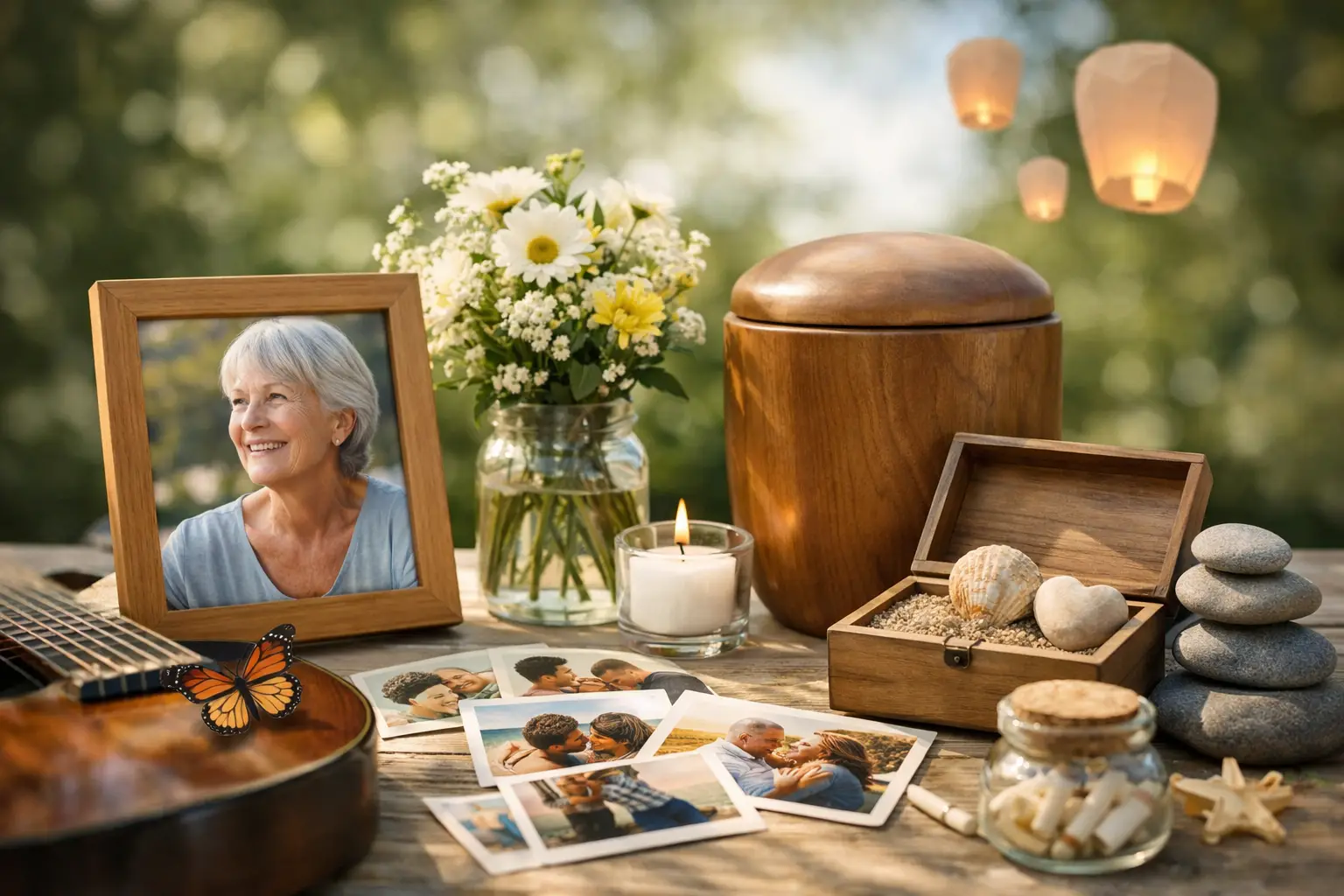
A meaningful service does not have to follow a single format. The best celebration of life ideas begin with one simple question: what would make this feel recognizably like the person we love? For one family, that may mean prayer, familiar food, and a formal gathering. For another, it may be favorite music, shared stories, and an open house where people can come as they are.
There is no requirement to make a celebration of life cheerful or elaborate. Grief and gratitude often sit beside each other. A gathering can be quiet, faith-centered, humorous, traditional, or entirely informal. What matters is creating space for people to remember honestly and feel supported.
Start With the Person, Not the Program
Before choosing a venue, flowers, or readings, take a few moments to name what mattered most to your loved one. Think about how they spent time, how they welcomed others, what they believed, and the small details friends would recognize immediately. A retired teacher may be remembered through notes from former students. A devoted cook may be honored through a table of favorite family recipes. A veteran’s service may be recognized alongside the roles they held at home.
It also helps to consider the needs of the people attending. Some families want the comfort and structure of a funeral or religious service followed by a reception. Others prefer a memorial held weeks later, when relatives can travel and the immediate responsibilities have eased. There is room for both. A funeral home, house of worship, restaurant, park, family home, or community space can each be appropriate depending on the group, season, budget, and cultural traditions.
Celebration of Life Ideas With Lasting Meaning
1. Create a photo timeline
A collection of photographs can tell a story without requiring anyone to find the right words. Arrange images from childhood through later years, or group them around roles such as parent, friend, colleague, neighbor, traveler, or grandparent. Include captions if they will help guests understand a place, date, or memory.
Digital slideshows can be moving, but printed photographs often invite quiet conversation. Consider placing a few albums or photo boards where guests can spend time with them at their own pace.
2. Invite guests to share a story
A few prepared speakers can offer comfort, yet some of the most meaningful moments come from brief, unscripted memories. A designated family member or officiant can invite guests to share a favorite story, lesson, or quality they will carry forward.
Not everyone will want to speak in front of a group. Provide cards or a memory book for written messages. These notes can become a source of comfort long after the service, especially for children and close family members who may not remember every conversation from the day.
3. Use music that feels familiar
Music can establish the tone of a gathering quickly. A hymn, a favorite love song, a piece of classical music, or a song that was always playing in the car can bring a person vividly to mind. Live music may feel especially fitting for someone who sang, played an instrument, or loved a particular cultural tradition, but a carefully chosen playlist can be equally personal.
Aim for music that serves the family rather than music chosen only because it seems expected. If lyrics are difficult for some guests, instrumental selections may offer a gentler option.
4. Share favorite foods and family recipes
Food often brings people together after a service, especially when relatives have traveled or when a family is accustomed to caring for one another around a table. Serving a loved one’s favorite dessert, coffee, tea, or a familiar cultural dish can be a simple and affectionate tribute.
A recipe card display is another thoughtful touch. Guests can take home a recipe that reminds them of the person, or family members can later gather the recipes into a small keepsake booklet.
5. Build a display around a passion
Personal objects help a room feel less generic. A gardener might be honored with seed packets or arrangements from a home garden. A lifelong baseball fan may be remembered through a cap, scorecards, or a favorite team color. A reader’s display might include beloved books with bookmarks explaining why each title mattered.
Choose only a few items. Too many objects can feel overwhelming, particularly when the family is already managing strong emotions. A focused display often says more.
6. Include a faith or cultural tradition
Many families find grounding in rituals that have guided generations before them. Prayers, scripture, incense, candle lighting, readings, songs, and food customs can offer a familiar way to express love and respect. Others may bring together traditions from different parts of a family or create a service that is spiritual without being religious.
There is no need to explain or defend a family’s choices to anyone. The gathering should honor the beliefs and heritage of the person who died and the people closest to them.
7. Make room for children
Children grieve differently from adults, and they may need a role that feels manageable. They might draw a picture, place a flower, help choose a song, or write a note for a memory box. Giving them a simple choice can help them feel included without putting them under pressure to perform or speak.
A quiet table with paper, crayons, and a trusted adult can also be helpful during a longer service. Participation should always be optional.
8. Choose a charitable tribute carefully
In place of flowers, some families invite donations to a cause their loved one supported. This can be especially meaningful when the cause was part of the person’s daily life, such as an animal rescue, religious organization, scholarship fund, veterans’ group, or medical research foundation.
It is also perfectly acceptable to welcome flowers. A charitable request should reflect the family’s wishes, not create an expectation that guests must give.
9. Plant or give something that grows
A tree planting, potted plant, bulbs, or packets of seeds can offer a lasting symbol of remembrance. This idea works well for a smaller gathering, a family home, or a service held outdoors. Some families give guests a small plant or seed packet with a card naming the loved one.
Be practical about timing and care. A large planting project may be difficult immediately after a death, while a simpler gesture can be meaningful and easier to manage.
10. Create a memory table or keepsake station
A memory table can include photographs, letters, awards, recipes, military service items, or meaningful belongings. A keepsake station may offer printed prayer cards, a favorite quotation, a bookmark, or a small packet of seeds for guests to take home.
Keep private items private. If a letter or object feels too personal, it may be better shared only with close relatives after the gathering.
11. Honor service and community roles
For a veteran, first responder, union member, volunteer, educator, or community leader, recognition of service may be an important part of the day. Formal honors can be arranged when eligible, but recognition does not have to be ceremonial. A few words from a colleague, a display of photographs, or a mention of the people they helped can be deeply respectful.
12. Set aside a quiet reflection space
Not every guest will be ready to socialize. A small area with candles, a framed photo, flowers, or a book for written reflections gives people a place to pause. This can be particularly helpful at a larger gathering where the room may otherwise feel busy.
13. Consider an open-house format
An open house allows friends and neighbors to visit over several hours rather than attend a formal program at a fixed time. It can work well for a person who was known by many people across different parts of life, or for families who want a less structured setting.
The trade-off is that guests may not experience a shared ceremonial moment. Some families address this by scheduling a short reading, prayer, or toast at a specific time during the gathering.
14. Carry the remembrance beyond one day
A celebration of life does not need to contain every memory. Some families create an annual gathering, prepare a scholarship, cook a favorite meal on a birthday, or make time to visit a meaningful place together. These ongoing rituals can be especially comforting when the first year of grief brings holidays, anniversaries, and other difficult dates.
Give Yourself Permission to Keep It Simple
Families often worry that a service must be original to be meaningful. It does not. A photograph, a favorite song, a prayer, and time for people to sit together may be exactly right. The details should never become another burden during an already demanding time.
If decisions feel difficult, start with what must happen first: where people will gather, who needs to be present, and whether there are religious, cultural, or military elements to arrange. The personal touches can follow. At Horizon Funeral Home, families can receive calm guidance in shaping a service that respects their wishes, traditions, and budget.
The most enduring tribute is not a perfect program. It is the care shown in making room for a person’s real life - their stories, their relationships, and the love that remains.